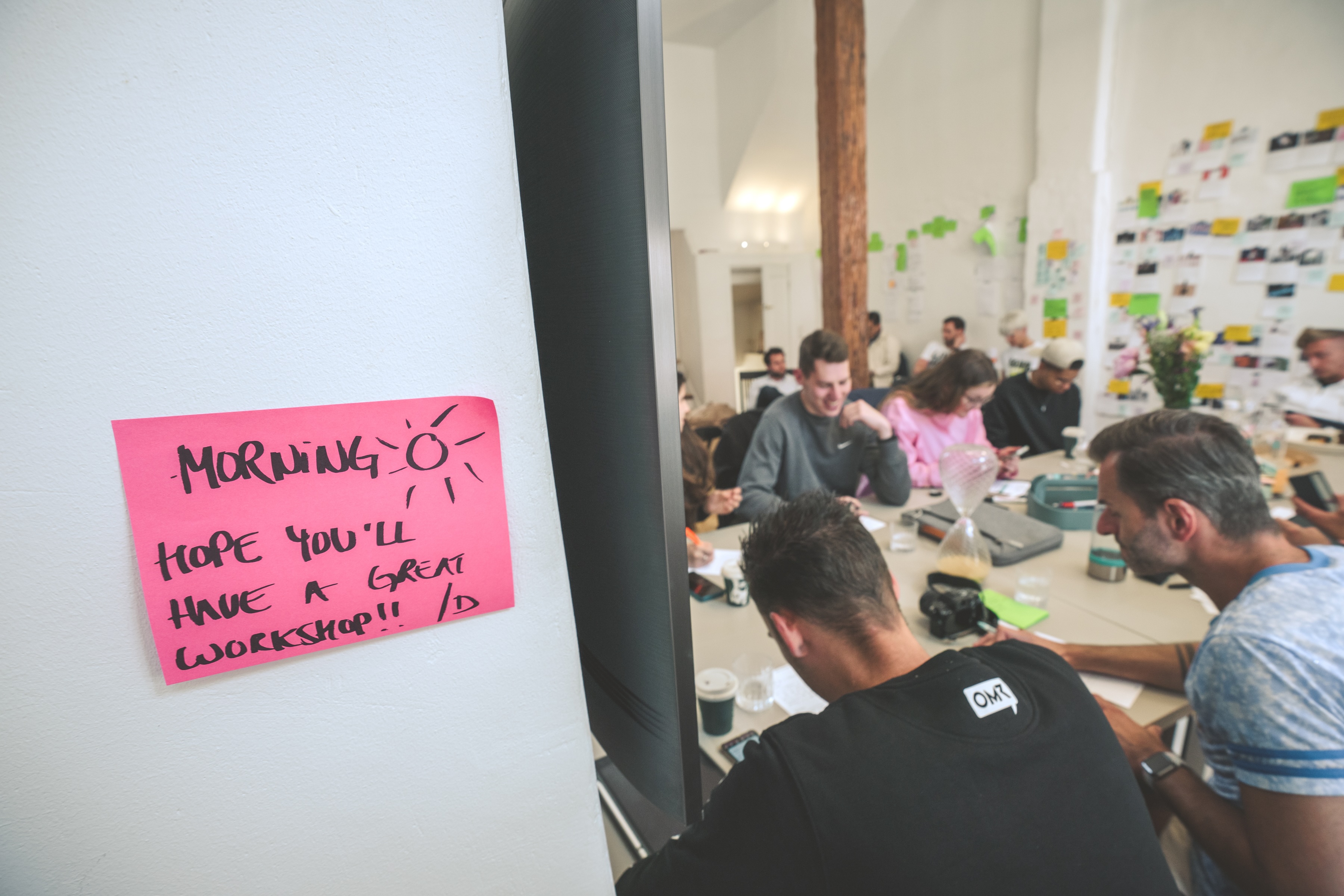

Workshops & Co-CreationWorkshops & Co-Creation
Where teams solve real problems together — fast, focused, and human-centered.
Most organisations don’t lack ideas, talent or motivation.
They lack moments where people sit together in a way that feels safe, focused and honest enough to actually move forward.
This is what our Transformation Workshops & Co-Creation Labs are for. They are the moments where a team suddenly says:
“Oh. Now I get what you meant.”
“We’ve been looking at this from different angles — now we see the same picture.”
“We have been solving the wrong problem.”
“Why can we not always work like this?”
Why organisations bring me in
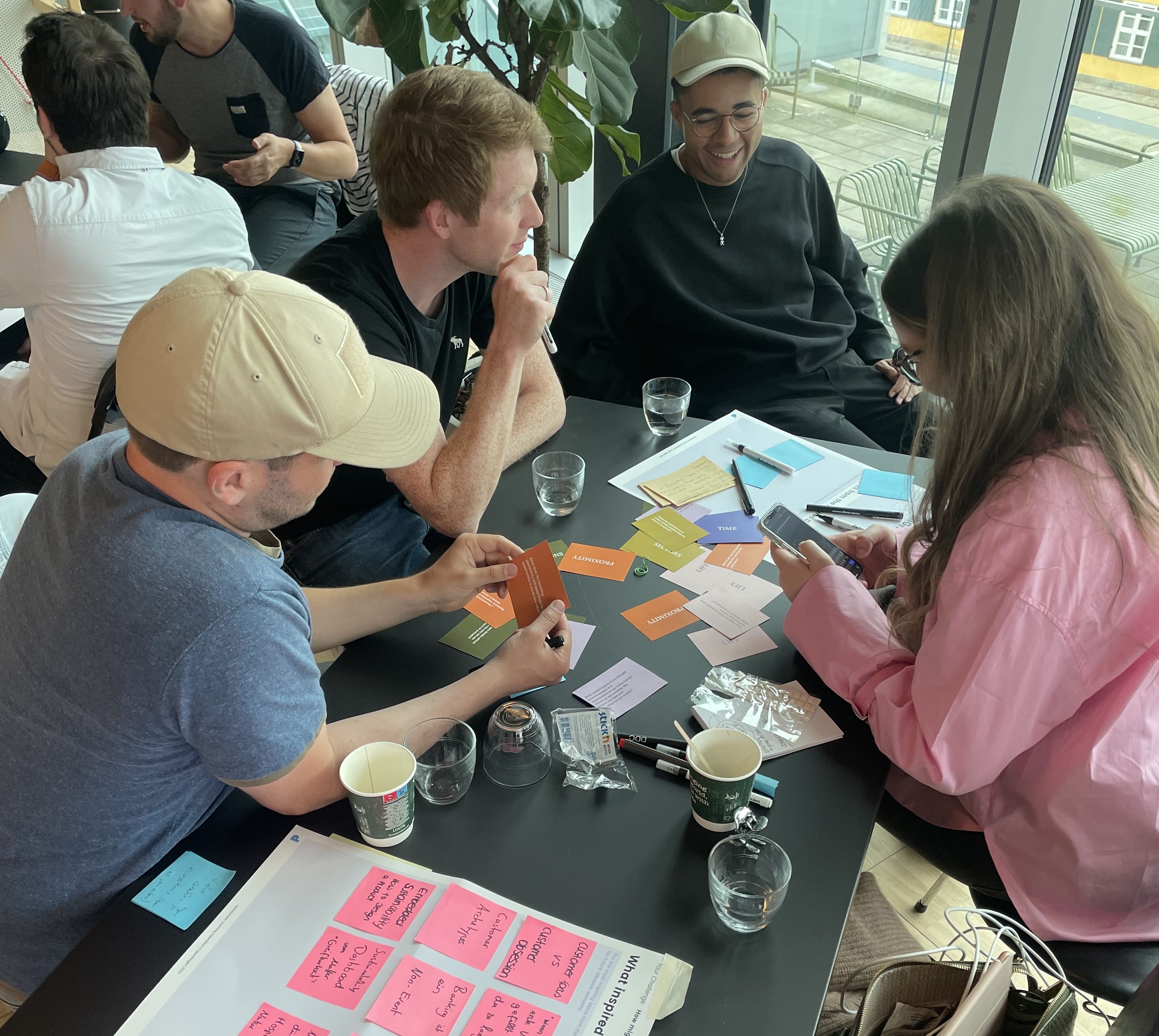
Across industries — finance, retail, media, tech, public sector — the pattern is always the same: People sit with the same challenge, but a completely different mental model of what the challenge actually is.
“We work hard, but we don’t work together.”
“We interpret challenges differently.”
“We need clarity on where to start.”
“We’re stuck in circular discussions.”
“We need someone neutral who helps us move.”
“We need real collaboration, not another meeting.”
My role is to make these mental models visible, to bring everyone into the same picture, and to create the conditions where clarity comes naturally. These workshops exist to create the conditions teams rarely get internally: shared understanding, real collaboration, and tangible progress.
Not just for leaders.
For any group that needs to solve something important — together.
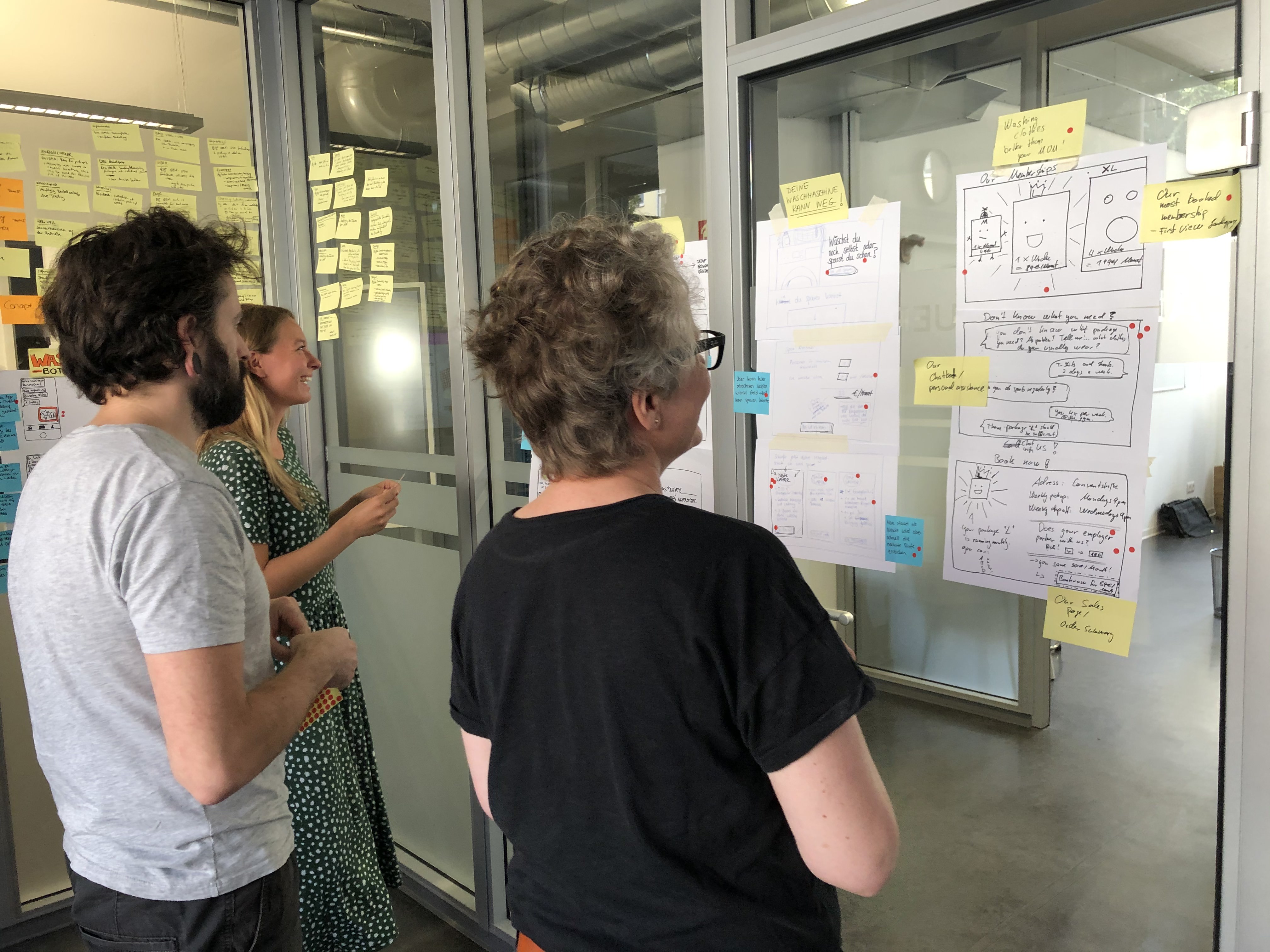
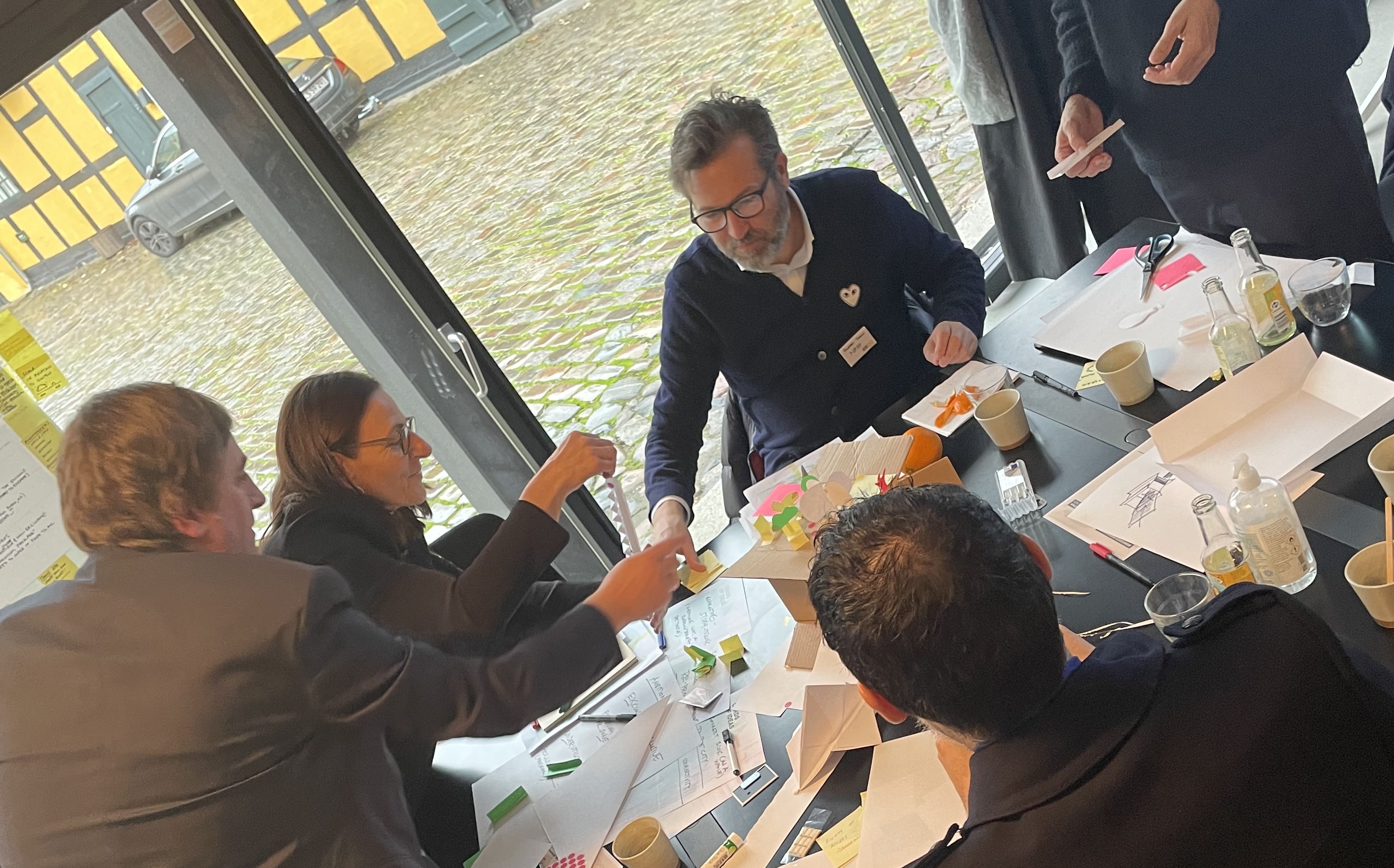
What you can use these workshops for
Transformation Workshops & Co-Creation Labs are hands-on working sessions that turn problems into progress
Not strategy-making.
Not leadership training.
But the everyday challenges that get stuck because teams don’t have the time, the space or the method to solve them well.
For example: a customer problem that feels fuzzy, a cross-functional topic where everyone has a different version of “what’s happening”, a new initiative that needs shape, clarity and roles, a team that has lost connection or energy, a product or service improvement that requires real customer insight, processes that need redesign because they’re full of friction, a challenge nobody has dared to name, a collaboration model that needs agreement or simply: the need to think better together.
The format adapts. The purpose doesn’t: create clarity, connection and progress. They are designed for any group of people who needs to think more clearly and act together:
- Product teams
- CX & service teams
- Operations, Marketing & communications
- IT & digital
- HR & people development
- Transformation units
- Project teams
- Cross-functional working groups
- Teams navigating complexity or friction
In other words: teams who want to stop circling — and start moving.
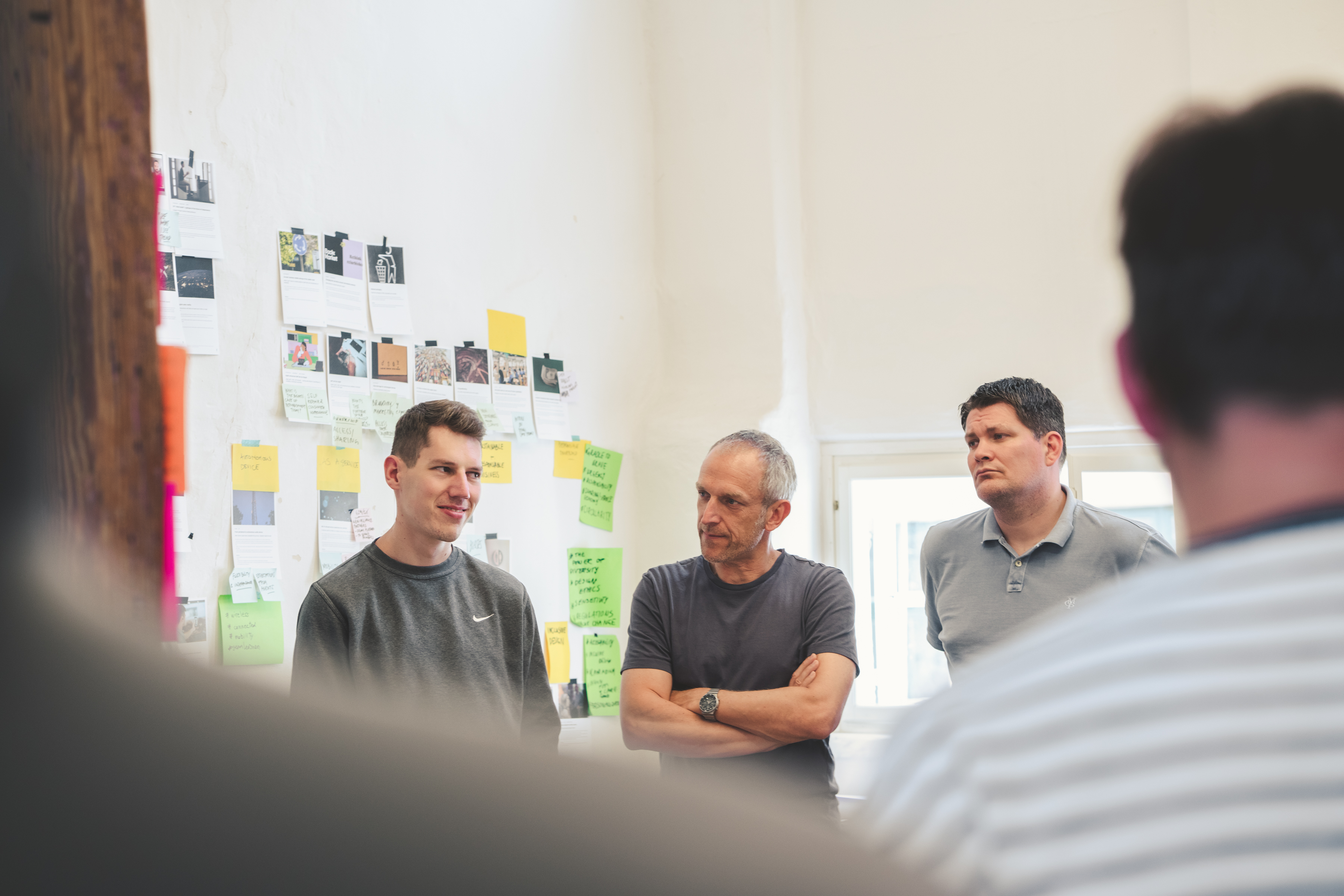
What these workshops actually do
1. Create shared understanding
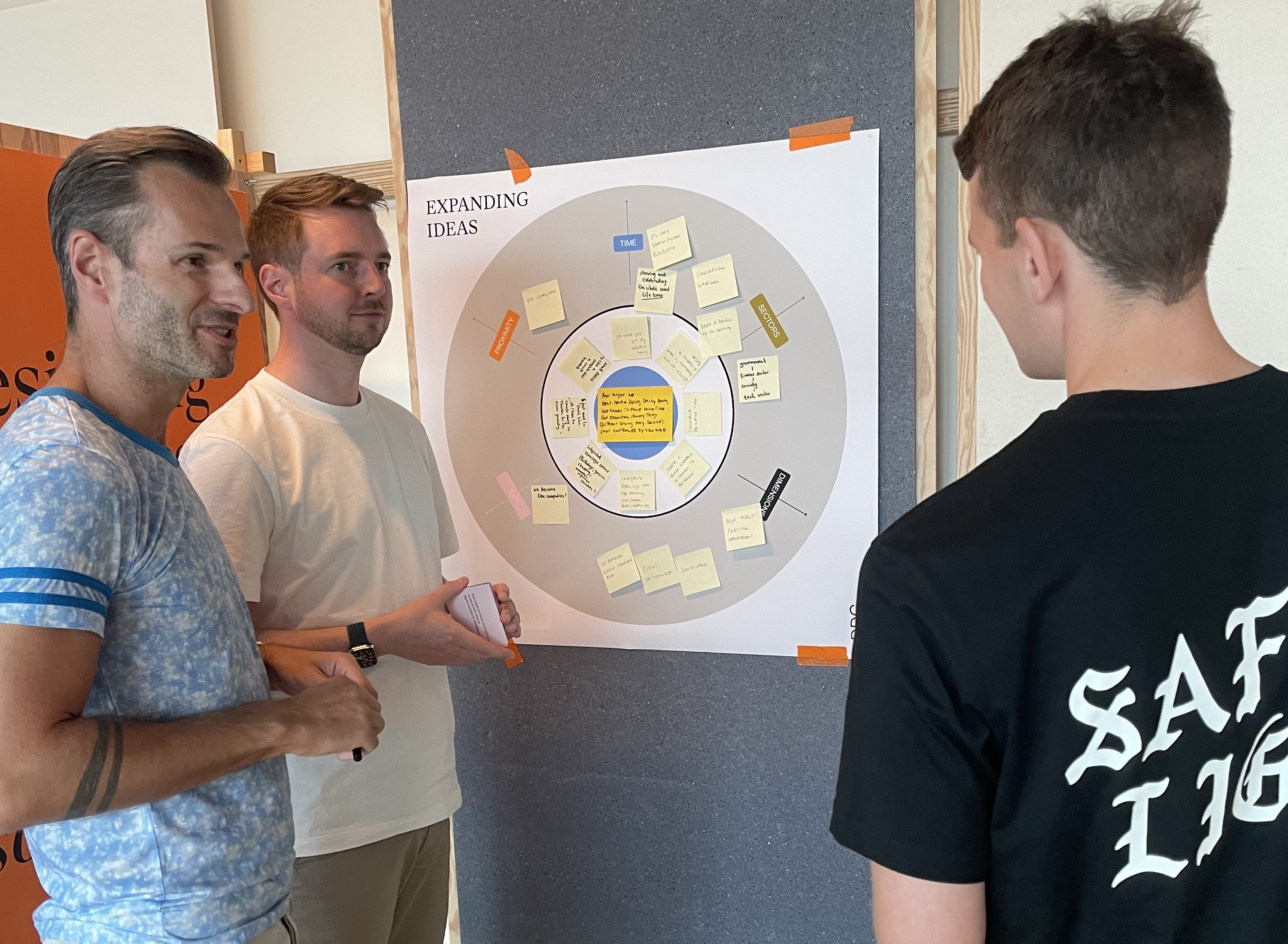
People finally see the same picture. Customer needs, blockers, constraints, workflows — made visible.
2. Turn complexity into something manageable
I use tools that help people shift from analysis to connection — from the head into the heart — using playful, imaginative and immersive methods.
3. Break silos through real collaboration
Product, CX, IT, ops, comms, marketing — working with each other, not next to each other.
4. Bring customer-centricity to life
Users from the future, human-centered stories, immersive narratives. Teams develop empathy and clarity around what truly matters.
5. Generate solutions quickly
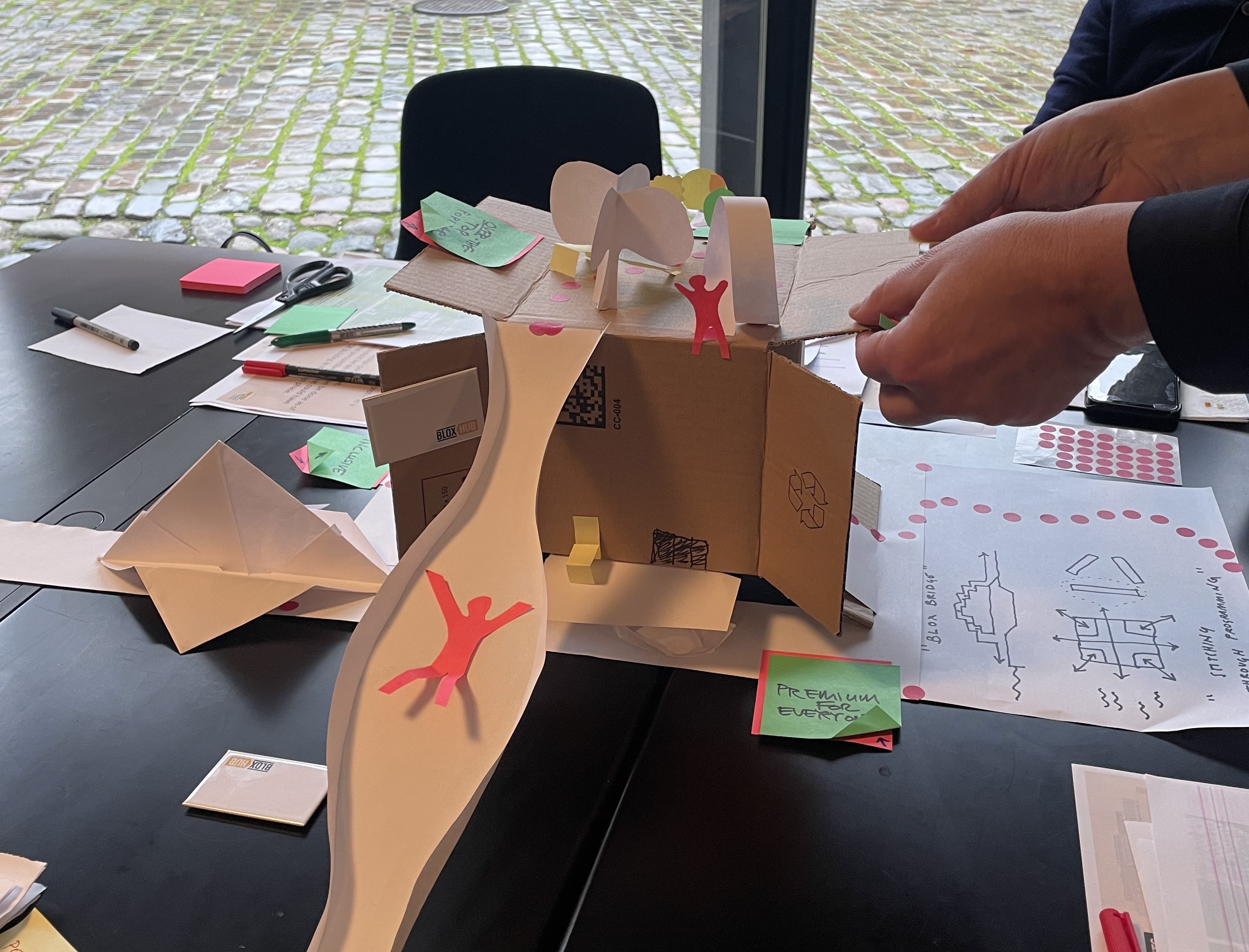
Structured co-creation (not chaotic brainstorming): 6-3-5, Crazy 8s, storyboards, Reverse brainstorming, paper prototypes.
6. Build the path forward
Clear decisions, next steps, owners, timelines. No more: “Good workshop, and then nothing happened.”
7. Strengthen team connection & motivation
Human, energising sessions where people feel heard, valued, and involved.
client voicesclient voices

Isabel Burbach
Area Director of Digital, E-Commerce & CRM (DACH, Poland, Baltics) - British American Tobacco

Cornelius Müller
Senior Director Product Design
What you walk away with
What teams take away from these workshops goes far beyond solutions on paper.
They leave with a shared understanding of the challenge — not five different interpretations.
They experience, often for the first time, what it feels like to work cross-functionally in a way that is focused, respectful and genuinely productive.
People discover the value of bringing different perspectives into one room, and the atmosphere shifts: conversations become clearer, assumptions become visible, and collaboration starts to feel lighter.Ideas turn into early prototypes, stories, or sketches that teams can develop further, and what normally takes months of back-and-forth suddenly moves forward in a matter of days.
More importantly, teams get a sense of what effective, modern collaboration can look like — the kind that is structured, human, creative and action-oriented.
They leave not only with clarity and direction, but with a renewed confidence in their ability to work together and make meaningful progress.